Emergency Dentist Advice for Adults with Sudden Loose Teeth

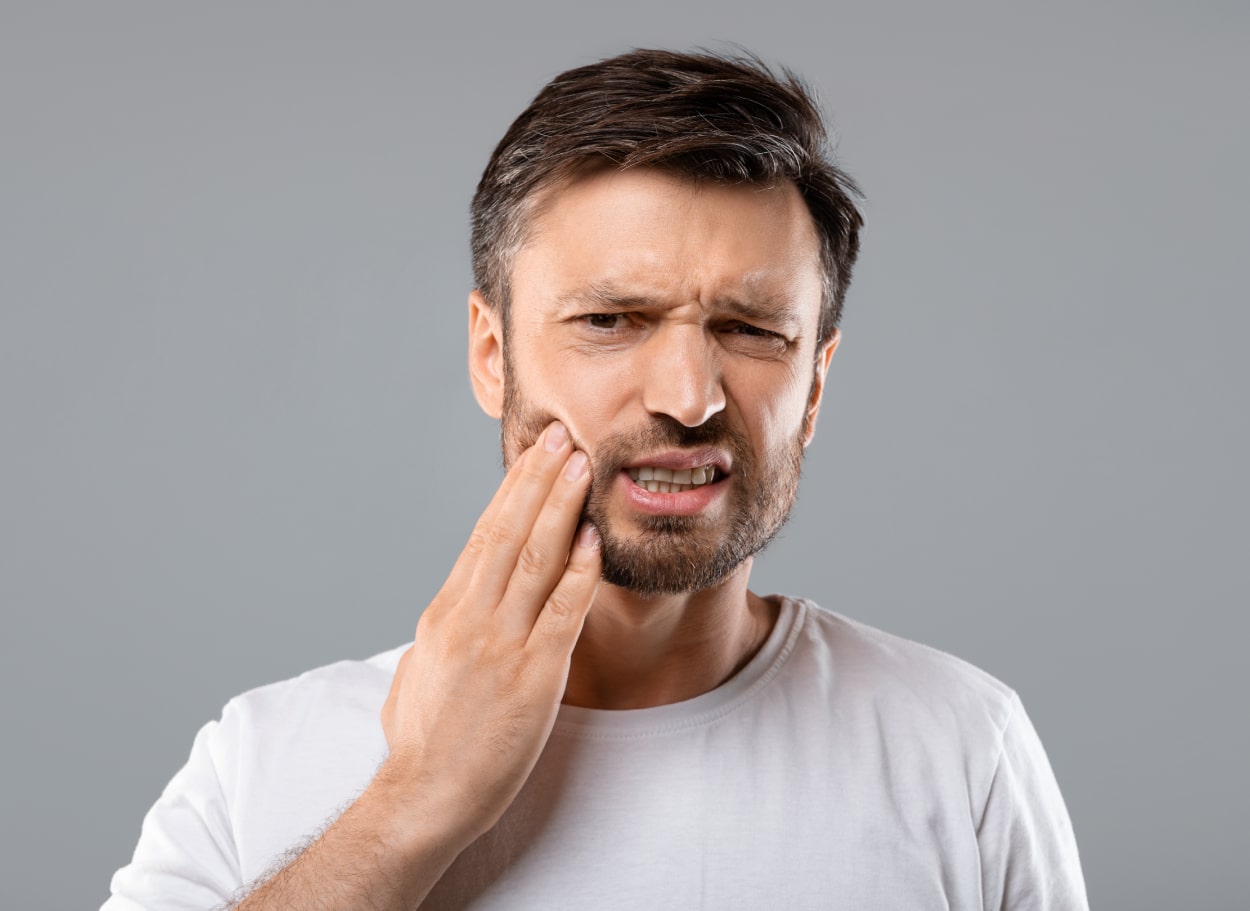
A suddenly loose tooth in an adult is never something to ignore. Children lose teeth as part of normal development. Adults do not. If a permanent tooth starts to move, even slightly, something has changed in the supporting structures that are supposed to keep it stable. That could mean trauma, advanced gum disease, a bite problem, infection, root fracture, or loss of bone around the tooth. Sometimes the cause is obvious, such as a fall or being hit in the mouth. Just as often, the first sign is unsettlingly subtle, a tooth that feels odd when you chew, a click you have never noticed before, or a sense that the tooth has “lifted.”
The right next step is not guesswork. It is urgent dental assessment. In many cases, an Emergency Dentist can improve the odds of saving the tooth, especially when care happens early. Timing matters because looseness often reflects damage that can worsen with every meal, every clench at night, and every day of delay.
What sudden tooth looseness usually means
A healthy adult tooth is held in place by more than the visible gumline. Beneath the surface, the root sits in bone and is suspended by a network of fibers called the periodontal ligament. Those tissues absorb pressure and keep the tooth stable while still allowing microscopic movement. When a tooth becomes noticeably loose, something has disturbed that system.
One common cause is gum disease. This is often less dramatic at first than people expect. A patient may tell you their tooth “just started wobbling overnight,” but when you look closely, there has often been bleeding during brushing, bad breath, gum recession, or tartar buildup for quite a while. The looseness becomes apparent only when enough support has already been lost.
Trauma is another major reason. A slip on wet pavement, an elbow during sport, a steering wheel impact, or even biting down unexpectedly on a hard olive pit can injure the ligament around the tooth. Sometimes the tooth looks normal but feels tender and mobile. In other cases, it has shifted out of line or become painful to bite on. The degree of looseness matters, but even a mildly mobile tooth after impact deserves prompt review.
Infection can also be responsible. A deep dental abscess may create pressure around the root and weaken support. Root fractures are another possibility, especially in heavily restored teeth, teeth with old large fillings, or teeth that have had root canal treatment. Bite overload is less obvious but real. People who grind or clench heavily can traumatize certain teeth over time until the ligament becomes inflamed and the tooth feels loose.
There are edge cases worth mentioning. Pregnancy-related gum changes, poorly controlled diabetes, certain medications, smoking, and immune conditions can all increase the risk of periodontal breakdown. A loose tooth can also be the first thing that alerts someone to a broader oral health issue.
When it is an emergency, not a wait-and-see problem
Adults are sometimes tempted to “give it a few days.” That is understandable if there is no severe pain, but it is not wise. A moving tooth can deteriorate quickly. An Emergency Dentist looks not only at the tooth itself, but also at its nerve supply, the surrounding bone, the bite, and whether the tooth can still be predictably stabilized.
Urgency becomes even greater if the tooth is displaced, bleeding around the gumline will not stop, the bite no longer fits together, swelling is developing, or the tooth became loose after a blow to the face. Those details suggest more than minor irritation.
The same applies if looseness is paired with fever, facial swelling, pus discharge, or a bad taste in the mouth. Those findings raise concern for infection spreading beyond the immediate area. At that point, the issue is no longer just about saving a tooth. It is about controlling a dental infection before it becomes more serious.
What to do in the first few hours
The most useful first aid is often surprisingly simple. Protect the tooth from further force, keep the area clean, and get professional help quickly. What people do in panic sometimes causes more harm than the original injury.
If you need a practical checklist while arranging care, follow this:
- Stop chewing on that side immediately and choose only soft foods if you must eat.
- Do not wiggle, push, or test the tooth repeatedly with your tongue or fingers.
- Rinse gently with lukewarm salt water if the area is sore or bleeding lightly.
- Use a cold compress on the outside of the face for swelling or recent trauma.
- Call an Emergency Dentist and describe when the looseness started, whether there was trauma, and whether the tooth has shifted position.
That last point matters more than many people realize. The receptionist or triage team can often tell from your description whether you need same-day treatment, a rapid exam within 24 hours, or immediate referral for more extensive trauma management. Saying “my tooth feels loose” is a start. Saying “my front tooth got hit two hours ago and now it feels longer than the one next to it” is far more helpful.
What not to do
Do not try home splinting with glue, wax, tape, or online repair kits. Those products are not designed to manage a living tooth with a blood supply and periodontal ligament. A poorly positioned homemade splint can trap bacteria, alter the bite, and make later treatment harder.
Do not clamp down on the tooth to “push it back in.” If the tooth has moved, incorrect pressure can worsen the damage. Likewise, avoid aspirin directly on the gum. People still try this for dental pain, and it can burn the tissue without fixing the problem.
One mistake that shows up often after sports injuries is waiting until the weekend passes because “it only moves a little.” Minor mobility after trauma can still hide a pulp injury, a crack, or damage to the socket. A tooth that seems manageable on Friday can be much more difficult to save by Monday.
What an Emergency Dentist will check
The appointment is usually more detailed than patients expect, because looseness is a sign, not a diagnosis. The dentist needs to identify what is causing the instability and whether the tooth is still viable.
Expect questions about the timing. Did it happen suddenly or gradually? Was there a blow, fall, or hard bite? Has the tooth had a crown, large filling, root canal, or repeated repairs? Have the gums been bleeding? Is there pain on biting, temperature sensitivity, swelling, or a feeling that the tooth is “high”?
The examination often includes checking the degree of mobility, tapping the tooth, testing the bite, inspecting the gums, and taking dental radiographs. If trauma is involved, the dentist may compare the tooth to those around it and document whether it has been intruded, extruded, or displaced sideways. Cold testing or pulp vitality testing may also be used, especially for front teeth after injury. These tests are not always definitive on day one, but they help build a picture.
In gum disease cases, the dentist may measure periodontal pockets and look for bone loss patterns. A loose tooth due to periodontitis often behaves differently from a tooth loosened by a single impact. If a fracture is suspected, the exam may include bite tests, transillumination, and close assessment around the root.
Treatment depends on the cause, not just the symptom
Patients understandably want a quick answer: can you tighten it? Sometimes, yes. Sometimes the better answer is that the tooth can be stabilized while the underlying cause is treated. The distinction matters.
After trauma, a tooth that has been displaced may need gentle repositioning and splinting to neighboring teeth. The splint is usually flexible rather than rigid, because the tooth still needs a degree of physiologic movement during healing. The splint may stay in place for a couple of weeks, sometimes longer depending on the injury.
If the looseness comes from periodontal disease, treatment usually focuses on reducing infection and inflammation first. Deep cleaning below the gumline, improved plaque control, possible antimicrobial measures, and bite adjustment may all come into play. In some cases, mobility improves once inflammation settles. In others, the bone support has been reduced too far, and the long-term prognosis is guarded even if symptoms become more manageable.
When infection is the culprit, drainage or endodontic treatment may be needed. If a tooth has a vertical root fracture, the outlook is often poor, and extraction may be the only predictable option. That is not the answer anyone hopes for, but it is sometimes the most honest one.
An overloaded tooth from grinding can improve significantly with occlusal adjustment, a night guard, or temporary splinting if the support structures are still largely intact. This is one reason accurate diagnosis matters so much. Two loose teeth can look similar to the patient and require completely different care plans.
Can a loose adult tooth tighten back up?
Sometimes it can. That depends on why it became loose and how much support remains.
A mildly mobile tooth after recent trauma may firm up as the periodontal ligament heals, provided the tooth is protected and properly monitored. A tooth loosened by inflammation around the gums can also feel more stable after treatment if the infection is controlled and the patient maintains excellent home care.
What tends not to reverse is advanced structural loss. Bone that has already been destroyed by severe periodontitis does not simply grow back to normal on its own. Certain regenerative procedures can help selected defects, but they are not universal fixes. Likewise, a cracked root does not heal the way a bruised ligament might.
This is where professional judgment matters. There is a meaningful difference between “the tooth can be saved” and “the tooth can be kept for a while.” Both can be reasonable goals, depending on the situation, the tooth involved, cost, comfort, and the patient’s overall oral health. Front teeth carry esthetic and emotional weight. Back teeth bear heavy chewing forces. The plan should reflect those realities.
Pain levels can be misleading
One of the more dangerous assumptions is that a serious dental problem must be very painful. Loose teeth do not always follow that rule. Periodontal destruction can progress with surprisingly little discomfort. Some traumatic injuries hurt sharply at first, then settle enough that the person thinks the problem has passed. Even infections can drain in a way that temporarily reduces pressure and pain while the disease continues.
A patient once described a loose lower molar as “annoying but not painful.” The tooth had advanced bone loss, a deep pocket on one side, and a crack line that made the prognosis poor. Another patient with a front tooth knocked loose in a cycling fall felt almost no pain at all, only a strange awareness of movement. That tooth was repositioned and splinted the same day, and early management made a clear difference.
Pain is important, but it is not the only measure of urgency.
Eating, cleaning, and sleeping while you wait for care
If the appointment is later the same day or next morning, your job is to keep the tooth quiet. Soft food is the safest choice. Think yogurt, soup that is warm rather than hot, scrambled eggs, smoothies, mashed vegetables, oatmeal, or pasta cooked soft. Avoid crusty bread, nuts, tough meat, apples, raw carrots, popcorn, and anything sticky.
Oral hygiene still matters. People often stop brushing near the loose tooth because they are afraid of making it worse. That can backfire by allowing plaque to build up around already inflamed tissues. The better approach is a soft toothbrush, light pressure, and gentle cleaning. If flossing snaps sharply against the gum or catches on a rough edge, it may be best to leave that area alone until it is examined.
Nighttime can be difficult, especially for people who clench. If you know you grind, be extra cautious. Try to sleep on your back rather than with direct pressure against the injured side of the face. Over the counter pain relief may help, provided it is suitable for you medically. Follow the packet instructions and avoid improvising.
If the tooth was hit or partially moved out of place
Traumatic tooth injuries deserve special respect. A tooth may appear only slightly loose, but the root, nerve, or socket can be significantly affected. A front tooth that looks longer than its neighbor may have been partially extruded from the socket. One that seems shorter may have been driven https://www.google.com/maps?cid=11867611376950550291 inward. Both situations need prompt dental evaluation.
For adults, the prognosis often hinges on how quickly the tooth is assessed and whether it is in the correct position. Delayed treatment raises the risk of pulpal death, root resorption, and long-term instability. Follow-up is equally important. A traumatized tooth may seem to recover initially and then develop problems weeks or months later. That is why dentists schedule review visits and repeated vitality checks.
If there are cuts to the lips, difficulty opening the mouth, numbness, or suspicion of jaw fracture, that broadens the emergency beyond a single tooth. The same applies after high-impact accidents. Dental care may need to happen alongside medical assessment.
When gum disease is the hidden reason
For many adults, sudden mobility is the moment chronic gum disease becomes impossible to dismiss. The process often starts quietly. Plaque hardens into tartar, the gums remain inflamed, pockets deepen, and bone support shrinks over years rather than days. The tooth feels loose only when enough architecture has been lost.
This can be emotionally difficult. People often assume a loose tooth means it is already too late. That is not always true. Periodontal treatment can still preserve function, reduce infection, and stabilize parts of the mouth that are at risk. Even when one tooth has a poor prognosis, identifying the disease early enough can prevent a much bigger cascade.
Smoking is a major complicating factor here. So is uncontrolled diabetes. Both change how the gums respond and heal. Good treatment is still possible, but expectations need to be realistic and maintenance has to be consistent. Periodontal problems are managed over time, not solved in a single dramatic visit.
Questions worth asking at the emergency visit
A good emergency appointment should leave you with more than a temporary fix. You should understand what the dentist thinks caused the movement, whether the nerve appears healthy, what the immediate plan is, and what signs would trigger faster review.
These are the questions that tend to matter most:
- What is the most likely cause of the looseness in my case?
- Is this tooth likely to tighten again, or is the support permanently reduced?
- Do I need splinting, gum treatment, root canal treatment, or extraction?
- What should I avoid eating or doing over the next few days?
- When do I need follow-up, and what warning signs should make me call sooner?
Patients who ask these questions usually leave less frightened, because uncertainty is often worse than the treatment itself. Clear expectations make it easier to protect the tooth properly.
If extraction is recommended
Not every loose tooth can or should be saved. That can be disappointing, especially if the tooth is visible when you smile. But there are circumstances where removing a hopeless tooth prevents ongoing pain, recurrent infection, and further damage to neighboring structures.
A careful dentist should be able to explain why the prognosis is poor. Common reasons include severe bone loss, a non-restorable fracture, split tooth syndrome, or infection that cannot be resolved predictably. In those cases, the conversation should also include replacement options if appropriate, such as an implant, bridge, or removable temporary solution. Timing depends on the condition of the bone, gums, and infection control.
There is a practical side to this as well. Saving a compromised tooth at any cost is not always the wisest investment. Sometimes preserving adjacent healthy teeth and restoring function in a planned way leads to a better long-term outcome. That is not giving up. It is making a sensible decision based on biology.
The larger lesson adults should take seriously
A loose permanent tooth is one of those symptoms that cuts through denial. It tells you that the support system under the surface needs attention now, not later. Whether the cause is trauma, gum disease, infection, or bite overload, early evaluation usually gives you more options.
The role of an Emergency Dentist is not only to manage pain. It is to determine whether the tooth can be stabilized, protect it from further damage, and set the next phase of care in motion. For some patients, that means splinting a traumatized tooth and monitoring healing. For others, it means uncovering gum disease that has been progressing quietly for years. For a few, it means making the difficult but appropriate call to remove a tooth that can no longer be predictably saved.
If your tooth has suddenly become loose, treat it as a real dental emergency. Eat softly, leave it alone, keep the area clean, and get it assessed quickly. Waiting rarely improves the situation, and sometimes it is the delay itself that costs the tooth.
Smyle Dental Newhall
23754 Newhall Ave
Santa Clarita, CA 91321, United States
+16612559200
FAQ About Emergency Dentist
Will the ER do anything for dental pain?
An emergency department can assess serious complications and provide temporary care, but it usually cannot provide definitive dental treatment such as a filling or root canal. A dentist needs to identify and treat the cause. Call 911 or seek emergency medical care for difficulty breathing or swallowing, major facial injury, or uncontrolled bleeding.
What qualifies as a dental emergency?
A knocked-out permanent tooth, severe or persistent dental pain, swelling, and a broken tooth with pain need prompt professional assessment. Contact a dentist immediately for guidance on how urgently to be seen. Rapidly spreading swelling or swelling that affects breathing or swallowing requires emergency medical care.
What to do if I have a dental emergency in the middle of the night?
Call your dentist's office for after-hours instructions. Smyle Dental Newhall can be reached at (661) 255-9200; confirm when treatment is available. Do not wait for the office to open if you have trouble breathing or swallowing, uncontrolled bleeding, or a major facial injury. For a toothache while arranging dental care, gently rinse with warm water and avoid putting aspirin directly on the tooth or gums.